Adoption and Fostering
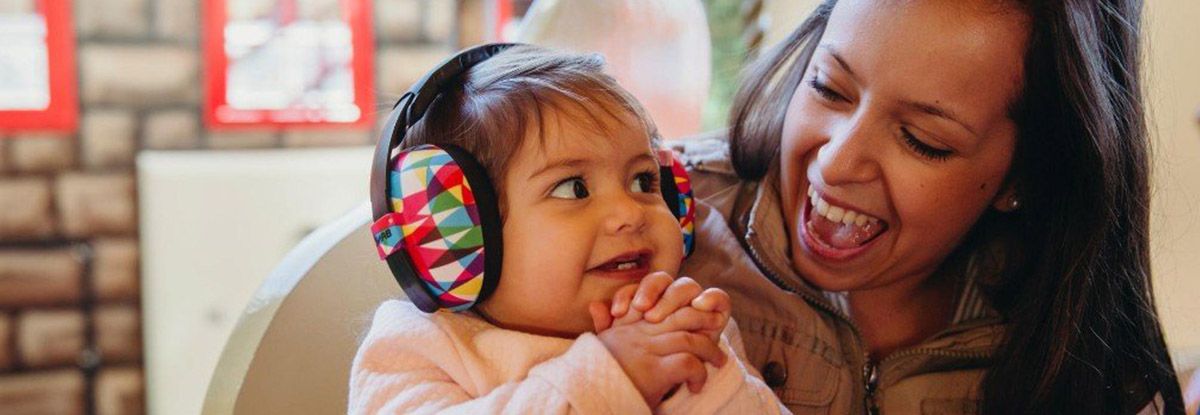
Music therapy can provide a safe space for children and young people who have been adopted or fostered to nurture sense of self, regulate emotions and explore experiences around loss and trauma. Therapists can work one-to-one with the child, alongside parents/guardians or with the whole family unit. Musical patterns form the foundation of our earliest experiences of attachment, so engaging in shared musical play naturally enables strong bonds to be built.
Music Therapy can...
- help to promote positive attachments through shared experiences
- create a safe space in which to process trauma and loss
- nurture innovative and adaptive ways of enhancing parent-child connections
- develop and enrich social and communication skills, both verbal and non-verbal.
Examples of outcomes
Music Therapy can create the safest of spaces to invoke change wherever possible. The following outcomes are taken from a Music Therapy report where an intervention plan was delivered to a post-adoptive family. During Music Therapy, the child was able to:
- demonstrate enthusiasm and delight in playing music with his carers, deepening the connection and attunement between them all
- sit closer and in parallel to carers than usual especially at the large table drum, creating a sense of togetherness and working towards common goals
- find instruments for carers to play, offering an experience of autonomy and positive choice-making opportunities
- sing improvised songs to include all members of the family, bringing a cohesiveness and turn-taking experience to the dynamic
A post-adoption / foster care music therapy programme has been cited as a key factor in enabling families to remain together. It can allow access to a provision where the processing of difficult and traumatic experiences can be safely explored whilst healthy bonds are further developed within the family.